Reviewed concept, brand artwork
Pick a reviewed gummy concept from the public catalogue and adapt brand artwork. The fastest path to a launch — packaging, claims and documentation are reviewed against the target market.
One product category, three working routes, and a documentation flow gated by project stage. The brand owner remains the food business operator on pack.
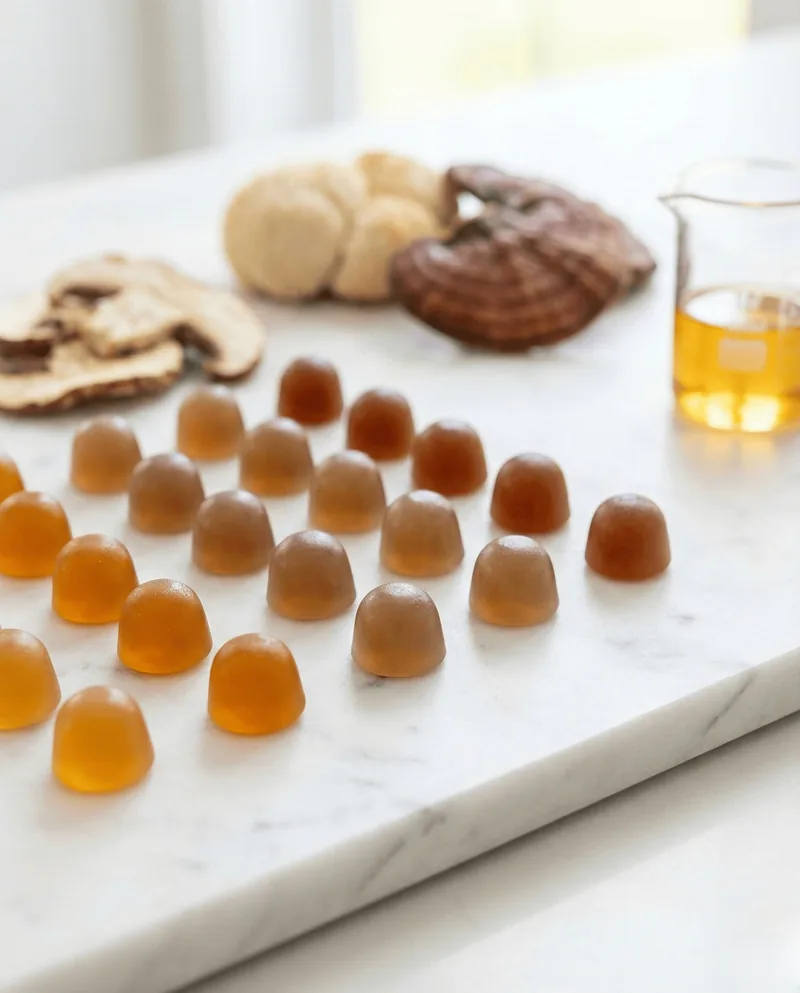
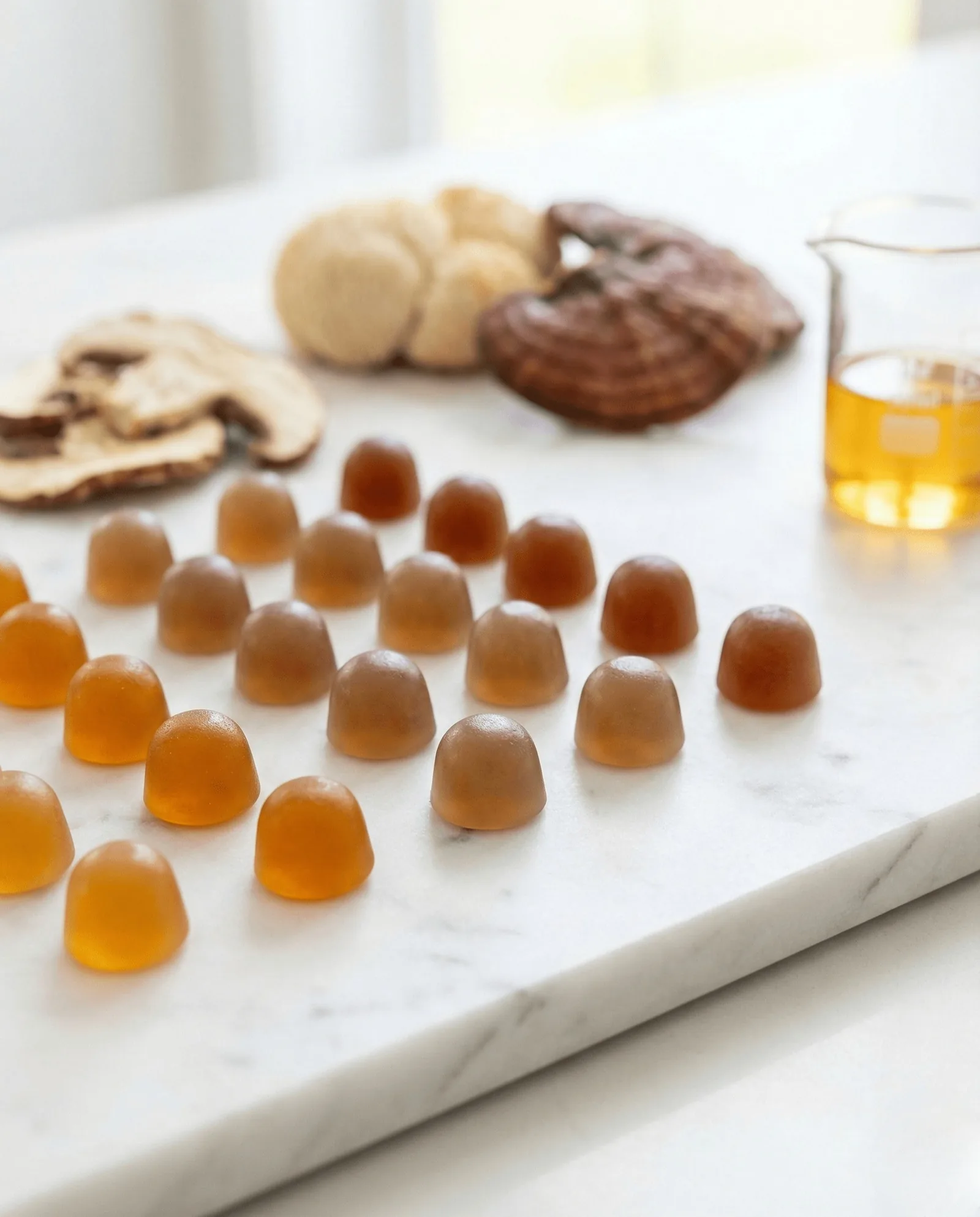
DAT manufactures pectin-based gummy supplements. We do not split attention across powders, capsules or RTD formats. The discipline is narrow on purpose — depth of formulation, packaging and documentation review, not breadth of categories.
Every project fits one of these routes. The route shapes the documentation set and the project timeline; final routing is confirmed inside the portal.
Pick a reviewed gummy concept from the public catalogue and adapt brand artwork. The fastest path to a launch — packaging, claims and documentation are reviewed against the target market.
Adjust dose, flavour or active stack within an existing matrix. Useful for differentiated SKUs without a full custom-development cycle.
Fully bespoke formulation, custom flavour profile and packaging dieline. The right route for category-defining launches with longer planning windows.
Format is independent from positioning. The same formula concept can move across packaging types — DAT confirms the right fit during the brief.
Best for classic white-label gummy launches: PET / HDPE bottle, retail-friendly, broad market fit.
Format is confirmed per project — DAT reviews packaging, fill, outer carton and logistics against the brand brief before specification.
Lighter, flexible packaging for premium retail concepts and DTC ranges with smaller footprint.
Format is confirmed per project — DAT reviews packaging, fill, outer carton and logistics against the brand brief before specification.
Routine-based, travel-friendly, premium daily-use formats. Sachet configuration is confirmed per project, including gummies per sachet, sachets per unit, film, outer packaging and logistics.
Format is confirmed per project — DAT reviews packaging, fill, outer carton and logistics against the brand brief before specification.
Each step is reviewed before the next gate opens. The Certificate of Analysis is batch-specific and post-production after QC release.
Target market, format, quantity, claims direction.
White-label, semi-custom or custom — confirmed against the brief.
Per-SKU specification + allergen statement drafted, then locked.
Dieline + on-pack copy reviewed against the target-market framework.
In-process control plan agreed; production runs through the controlled network.
Batch-specific COA after QC release; documentation refreshed per stage.
DAT releases documentation as the project moves through each gate. The Certificate of Analysis is batch-specific and always issued post-production after QC release.
Target market, format, quantity, claims direction
Project entry
Feasibility view + working route confirmation
Formulation route, allergen statement, per-SKU specification
After brief sign-off
Specification draft + spec-locked formula
Dieline, on-pack copy, claim wording per market framework
In parallel with spec lock
Reviewed artwork against the target-market framework
In-process control plan, stability and QC release rules
Once spec & artwork are signed off
Production run + in-process control records
Per-batch QC, traceability, release-for-shipment
After production & QC release
Batch-specific Certificate of Analysis + traceability
Forecast review, raw-material lead times, improvement notes
Per repeat order
Refreshed documentation per project stage
Documentation availability depends on product, market and project stage. The brand owner remains the food business operator and is responsible for final filings in each target market.
The inputs below shape the route, the format, the documentation set and the project timeline.
Primary distribution market and any secondary markets — drives label, claims and notification scope.
Indicative MOQ tier and forecast for the launch window. Used to confirm route and packaging.
Positioning, active ingredients in scope and any non-starters. Custom development is reviewed against the brief.
PET bottle, doypack or sachet — pack format influences the production route and documentation set.
Target launch window. Production calendar and raw-material lead times are confirmed in the quote.
Any approved claim wording, regulatory framework, or label requirement you already need to honour.
DAT operates an approved production network and a controlled disclosure model. Supplier identity, factory references and full technical documentation are released to brand owners by project stage and disclosure need — never as a public list. This protects both the brand and the production partners we work with.
DAT Supply manufactures food supplements only. On-pack health and nutrition claims must comply with EU Regulation 1924/2006 and the authorised list under EU 432/2012. Claim wording is reviewed per project. The brand owner remains the food business operator and is responsible for final filings in each target market. Documentation availability depends on product, market, and project stage.
Send your project brief — DAT will review and route it to the right working track. Final routing is confirmed inside the portal once the brief has been reviewed.